Used Car Paint and Accident Inspection Checklist
A step-by-step buyer checklist for checking repaint signs, panel alignment, accident disclosures and repair documentation before agreeing on a price.
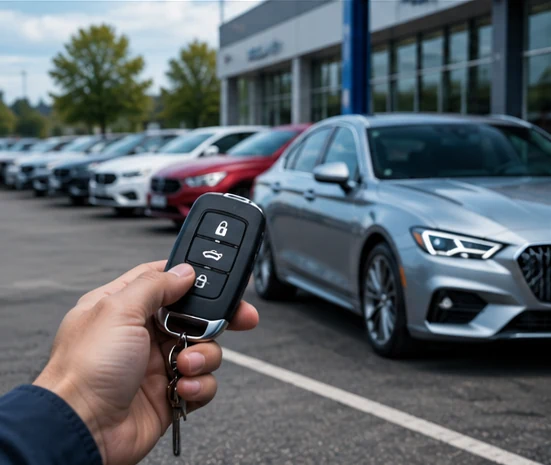
Before visiting the seller
Ask for the complete advertised specification, VIN or chassis details through appropriate safe channels, service history, known accident and flood history, and photographs of any repaired panels. Arrange inspection in daylight and avoid committing to a deposit before independent checks. Regulations and disclosure obligations vary by country.
Inspect paint consistently
Stand at an angle to each body panel and compare color, reflection, texture and panel gaps. Look for overspray near rubber seals, unusual masking lines, mismatched fasteners and inconsistent finish under different light. A variation does not automatically mean a major accident: localized cosmetic repairs and factory tolerances also exist.
Look beyond paint
Check door and bonnet closing, uneven gaps, obvious metal distortion, headlamp brackets, welds, underbody condition and warning lights. Check tyres for irregular wear and test brakes and steering only where safe and lawful. A professional pre-purchase inspection can identify problems invisible in listing photos.
Understand what changes resale value
A comparable listing should closely match make, model, trim, year, region, mileage, condition and documented history. Accident repairs, poor-quality repainting, missing service records and high-mileage wear can affect what buyers pay, but there is no universal percentage adjustment that applies worldwide. Compare multiple recent asking prices and verify completed sale values where available.
Questions to record before buying
Which panels were repaired and why? Are invoices or insurer records available? Have airbags or structural parts been repaired? Can an independent body shop inspect it? Are service and registration records consistent? Are there outstanding liens or ownership issues? Keep your inspection notes separate from any unverified seller claims.