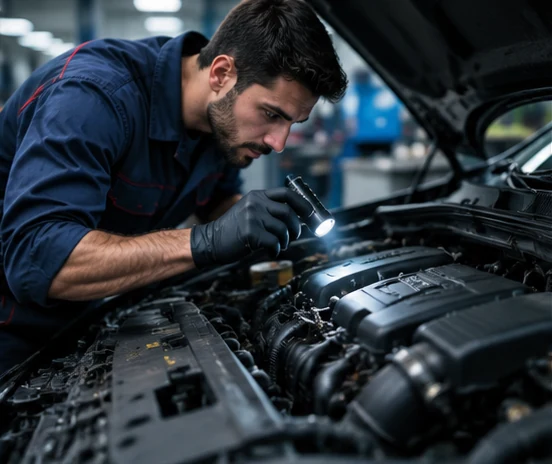
Start with safety-critical systems
Before a long trip, check tyres for visible damage and use the manufacturer’s cold tyre-pressure recommendation. Test lights and indicators. Unexpected brake weakness, fluid leaks or steering problems require a qualified professional. Do not continue driving a vehicle with impaired stopping or steering ability.
Different vehicles need different checks
A motorcycle also needs chain and sprocket inspection, correct chain tension and lever operation. Trucks may need air-brake and load-security checks. Electric vehicles require attention to charge-port condition and warning messages, but their high-voltage systems should not be opened by an unqualified owner.
Record the result, not just a score
Note the date, vehicle, mileage, observed issue and whether a technician confirmed the problem. A manual checklist reflects what you inspected; it is not an OBD scan or a verified mechanical diagnosis. Clear “needs service” items before claiming the vehicle is road-ready.
When to stop and seek help
Overheating, smoke, a high-voltage warning, significant fluid loss, unresponsive brakes or a tyre with major sidewall damage can make travel unsafe. Stop in a safe place and request suitable assistance rather than guessing a repair.
Use this information responsibly
These guides explain planning methods and basic checks. They are not a substitute for vehicle manufacturer instructions, mechanic inspection, local road regulations or a verified market valuation. Review any advice against your specific vehicle and local conditions.